






What is Sleeve Gastrectomy in Turkey?

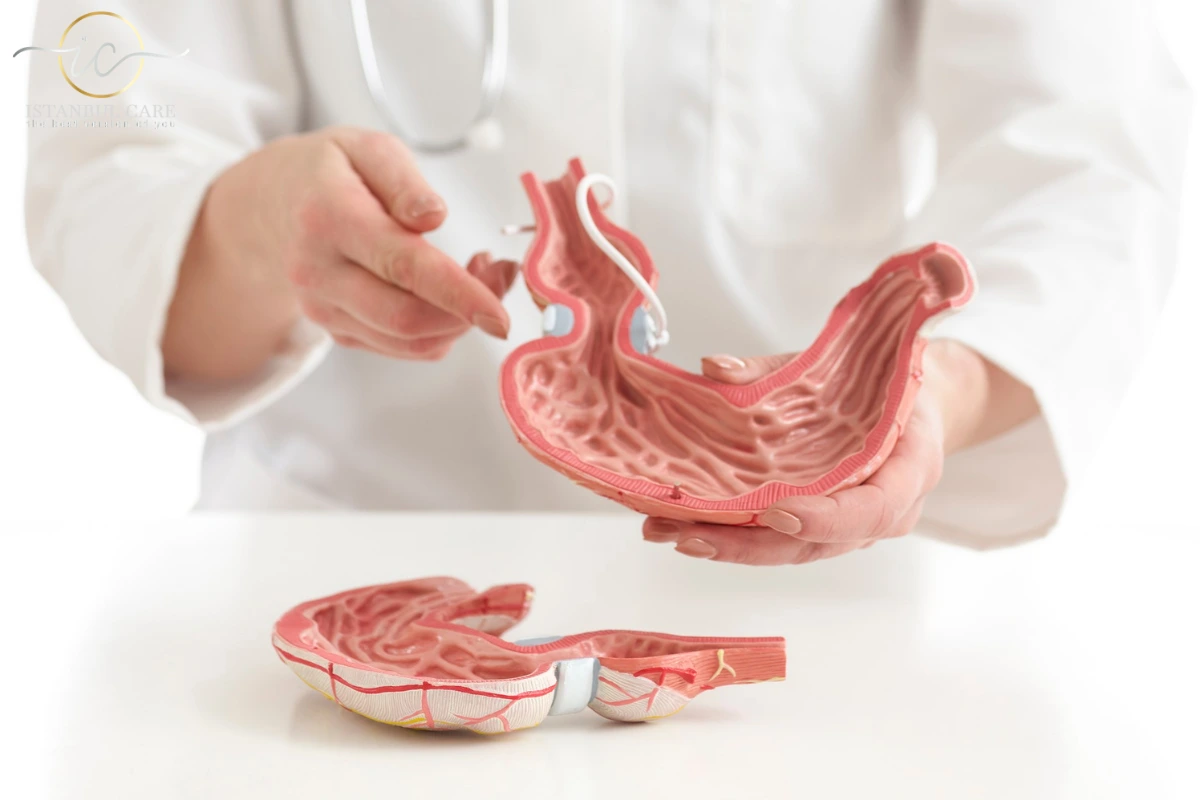
Sleeve gastrectomy in Turkey is a surgical procedure where a large portion of the stomach is removed, leaving a smaller, sleeve-shaped pouch to aid in weight loss. This procedure is typically performed laparoscopically, using small incisions and a camera to guide the surgical tools.

During Sleeve Gastrectomy in Turkey, approximately 75-85% of the stomach is removed along its larger curve. This reduces the stomach’s capacity, limiting the amount of food that can be consumed at one time. As a result, patients feel full more quickly and consume less overall.

This procedure promotes weight loss by both restricting food intake and reducing the production of hunger hormones, making it an effective long-term weight management solution.

Who Are Good Candidates for Sleeve Gastrectomy?

Skilled bariatric surgeons in Turkey’s specialized hospitals perform sleeve gastrectomy as part of comprehensive weight loss programs. Ideal candidates include:

  • Individuals with obesity who have been unsuccessful with diet and exercise alone.
  • Patients suffering from obesity-related health issues such as hypertension, sleep apnea, or type 2 diabetes.
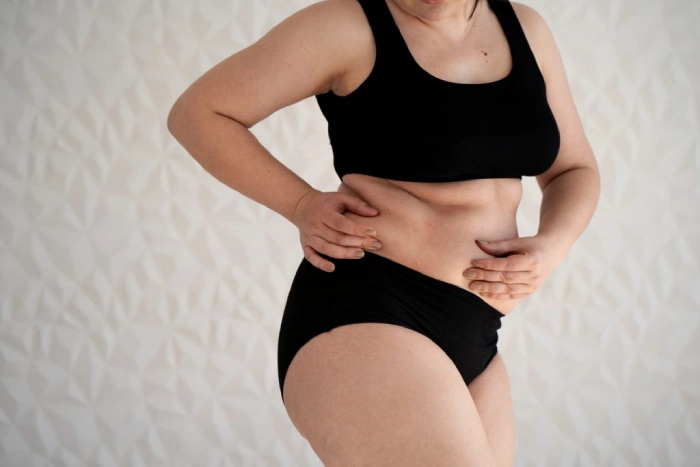
gastric bypass Turkey surgery

What Happens to Your Body after Sleeve Gastrectomy?

The body goes through a series of changes after a sleeve gastrectomy that help with weight reduction and overall health. Among the most significant shifts are the following:

Smaller Stomach: One of the first noticeable effects of sleeve gastrectomy is a smaller stomach. The procedure results in a smaller, pouch-shaped stomach after a significant amount of the stomach is removed. since of this, people eat less overall and fewer calories since they are able to control their portion sizes and experience satiety sooner.

Hormonal Changes: Hormones that regulate hunger and metabolism might undergo changes after sleeve gastrectomy surgery. Hormonal shifts like these have the potential to alleviate health problems like type 2 diabetes by reducing hunger, making you feel full faster, and making your body more sensitive to insulin.

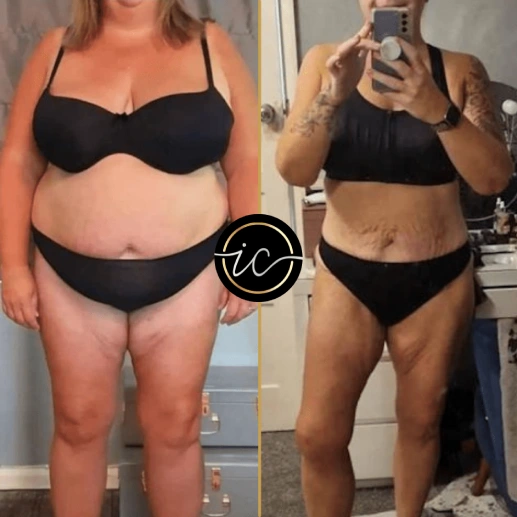
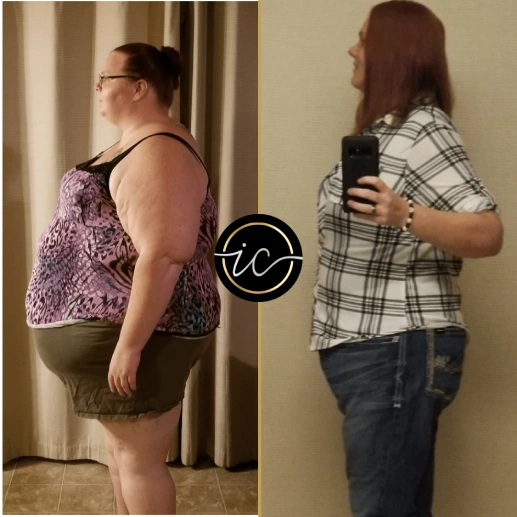
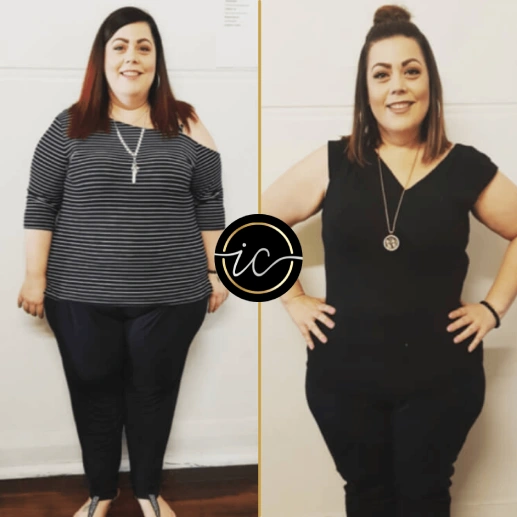
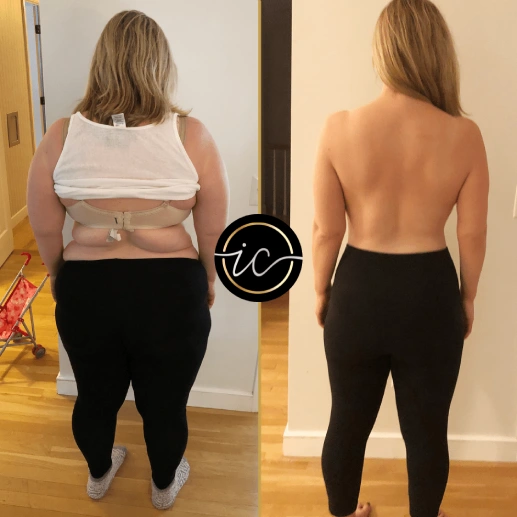
Sleeve gastrectomy aims to help patients lose weight, and it’s meant to be a long-term solution. It is common for patients to lose a lot of weight quickly in the post-op months, and then slowly over the next several years. Patients experience varying degrees of weight loss, although many report large reductions in extra body weight.

Enhanced Health Conditions Connected to Obesity: The health problems associated with obesity, including type 2 diabetes, hypertension, sleep apnea, and high cholesterol, may be alleviated after sleeve gastrectomy surgery, in addition to weight reduction. Surgery often improves or eliminates obesity-related health problems, and many patients report less drug usage as a result.

In order to lose weight and adjust to the lower stomach size after a sleeve gastrectomy, patients usually need to make adjustments to their eating habits and nutritional choices. Consuming nutrient-dense foods with an emphasis on smaller, more often meals and avoiding foods that are heavy in calories, fat, or sugar are all part of this.

Patients undergoing sleeve gastrectomy may experience changes in their mental and emotional well-being, including enhanced self-confidence, positive body image, and overall happiness. Following surgery, many patients report an increase in self-assurance, vitality, and the desire to make positive changes to their lifestyle.

If you’re looking to lose a lot of weight, address health issues associated to obesity, and generally feel better, sleeve gastrectomy surgery may be the right choice for you. To get the most out of their surgery and keep the weight off for good, patients need to make some permanent adjustments to their lifestyle, such as eating healthier, exercising more, and seeing their doctor often.

Patients Benefit from Sleeve Gastrectomy

Tubular stomach surgery is very effective. Within the first 24 months after surgery, patients can lose up to 70 percent of their excess weight. In addition, it is a gentle and short procedure. The stomach functions remained and the closures of the stomach inlet and outlet are not affected. Most importantly, the tube stomach has a positive effect on concomitant diseases of obesity such as high blood pressure, sleep apnea, elevated blood lipid and cholesterol levels, back and joint pain, and type II diabetes.

Gastric Band

Procedure of Sleeve Gastrectomy Surgery

Before surgery, patients undergo examinations such as esophagoscopy, gastroscopy, duodenoscopy, and liver ultrasound. Sleeve gastrectomy is performed under general anesthesia using minimally invasive laparoscopic techniques, resulting in minimal scarring. The surgery typically takes about an hour.

The surgeon inserts instruments through small abdominal incisions and inflates the area with carbon dioxide for better visibility. Using a stapler, approximately 75-85% of the stomach is removed, leaving a narrow tube-shaped stomach. The staple line is tested for leaks with a dye test. Patients usually stay in the hospital for 4-5 days.

Risks and Side Effects of Sleeve Gastrectomy

While sleeve gastrectomy is generally safe, potential risks include:

  • Bleeding, infection, thrombosis, or embolism
  • Wound healing issues or scarring
  • Possible nutritional deficiencies (e.g., vitamins or proteins)
  • Risk of stomach dilation if excessive eating continues

These risks are minimized through expert care and post-operative nutritional counseling.

Post-Surgery Recovery

  • Recovery time is approximately three weeks, with no physical work for 4-6 weeks.
  • Only liquid or puréed foods are allowed for the first four weeks.
  • Patients should eat 5-7 small meals daily, chew slowly, and separate eating from drinking.
  • Regular follow-up and nutritional counseling are essential for long-term success.

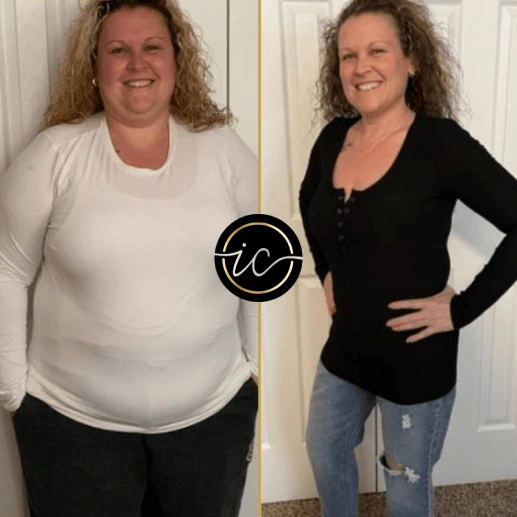
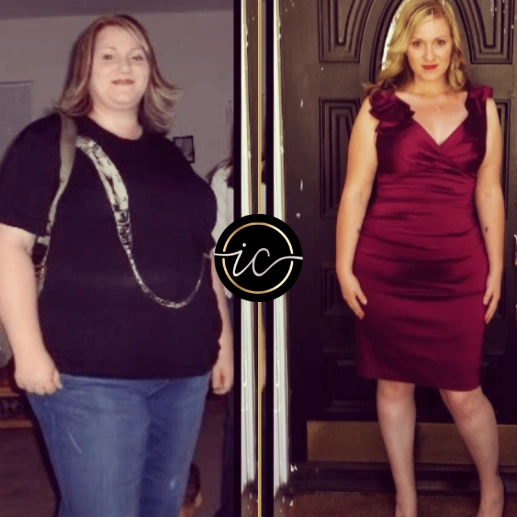
Sleeve Gastrectomy Before & After

Premium Packages

  • Consultation & Hairline planning by Our Plastic Surgeon
  • DHI or Sapphire FUE hair transplant surgery after an online consultation with a consultant
  • 1. Day: The SVF stem cell treatment, which is performed by extracting from the abdomen, is carried out by pur plastic surgeon (stem cell hair treatment using abdominal fat, which has more stem cells boosts hair growth density.)
  • 2. Day: Operation is done by a team of Hair Transplant Specialists under the supervision of our Plastic Surgeon
  • Exsome Hair Therapy to stimulate hair growth and improve scalp health
  • Prp ( One session)
  • Laser hair regrowth treatment (one session.) FDA-approved laser devices for treating pattern hair loss and androgenic alopecia are available exclusively at Este Medical Group.
  • Sedation ( No pain during the numbing process)
  • Blood tests
  • All the required medications
  • 6-month Aftercare supplements
  • 5-star Hotel Accommodation (3 Nights)
  • Check up and first wash on the following day
  • Travel Health Insurance: Travel confidently—protect your hair transplant journey. Stay covered for any illness or injury abroad.
  • Personal translator available at all times
  • Airport and internal transfers
  • 12 months of online post-operation follow-ups.

Density Boost

  • Consultation & Hairline planning by Our Plastic Surgeon
  • DHI or Sapphire FUE hair transplant surgery after an online consultation with a consultant
  • 1. Day: The SVF stem cell treatment, which is performed by extracting from the abdomen, is carried out by pur plastic surgeon (stem cell hair treatment using abdominal fat, which has more stem cells boosts hair growth density.)
  • 2. Day: Operation is done by a team of Hair Transplant Specialists under the supervision of our Plastic Surgeon
  • Exsome Hair Therapy to stimulate hair growth and improve scalp health
  • Prp ( One session)
  • Laser hair regrowth treatment (one session.) FDA-approved laser devices for treating pattern hair loss and androgenic alopecia are available exclusively at Este Medical Group.
  • Sedation ( No pain during the numbing process)
  • Blood tests
  • All the required medications
  • 6-month Aftercare supplements
  • 5-star Hotel Accommodation (3 Nights)
  • Check up and first wash on the following day
  • Travel Health Insurance: Travel confidently—protect your hair transplant journey. Stay covered for any illness or injury abroad.
  • Personal translator available at all times
  • Airport and internal transfers
  • 12 months of online post-operation follow-ups.

Who Is Recommended for Sleeve Gastrectomy?

Sleeve gastrectomy is suitable for severely overweight patients with a BMI of 35 or higher who have failed previous weight loss attempts. Candidates should be between 18 and 65 years old and not suffer from severe acid reflux or alcohol-related obesity.

Advantages and Disadvantages of Sleeve Gastrectomy
Advantages:
Promotes faster satiety and reduces appetite hormones.
Maintains the natural digestive process.
Results in significant weight loss within months.
Fewer complications than gastric folding procedures.
Disadvantages:
Risk of weight regain if diet is not controlled.
Patients with very high BMI may need additional surgery.
Potential for suture line leakage or bleeding.
Liquid calories can reduce weight loss effectiveness.

Speak with our expert Sleeve Gastrectomy specialists

Curious about your Gastric Band procedure in Turkey? Fill out the form below to receive a personalized quote from our team.

Speak with our expert Sleeve Gastrectomy specialists

We’re ready to answer your questions

Frequently Asked Questions

How long does a sleeve gastrectomy procedure take?

The surgery typically takes 1 to 2 hours, performed laparoscopically.

Is sleeve gastrectomy painful?<br />

Mild to moderate pain is expected, but it can be managed with prescribed medications.

How long is the recovery time?<br />

Most patients return to normal activities within 2 weeks, with full recovery in about 4 to 6 weeks.

How much weight can be lost after sleeve gastrectomy?<br />

Patients typically lose 50% to 70% of their excess weight within 12 to 18 months.

Does sleeve gastrectomy reduce hunger?<br />

Yes, it removes a portion of the stomach that produces hunger hormones, helping to reduce appetite.