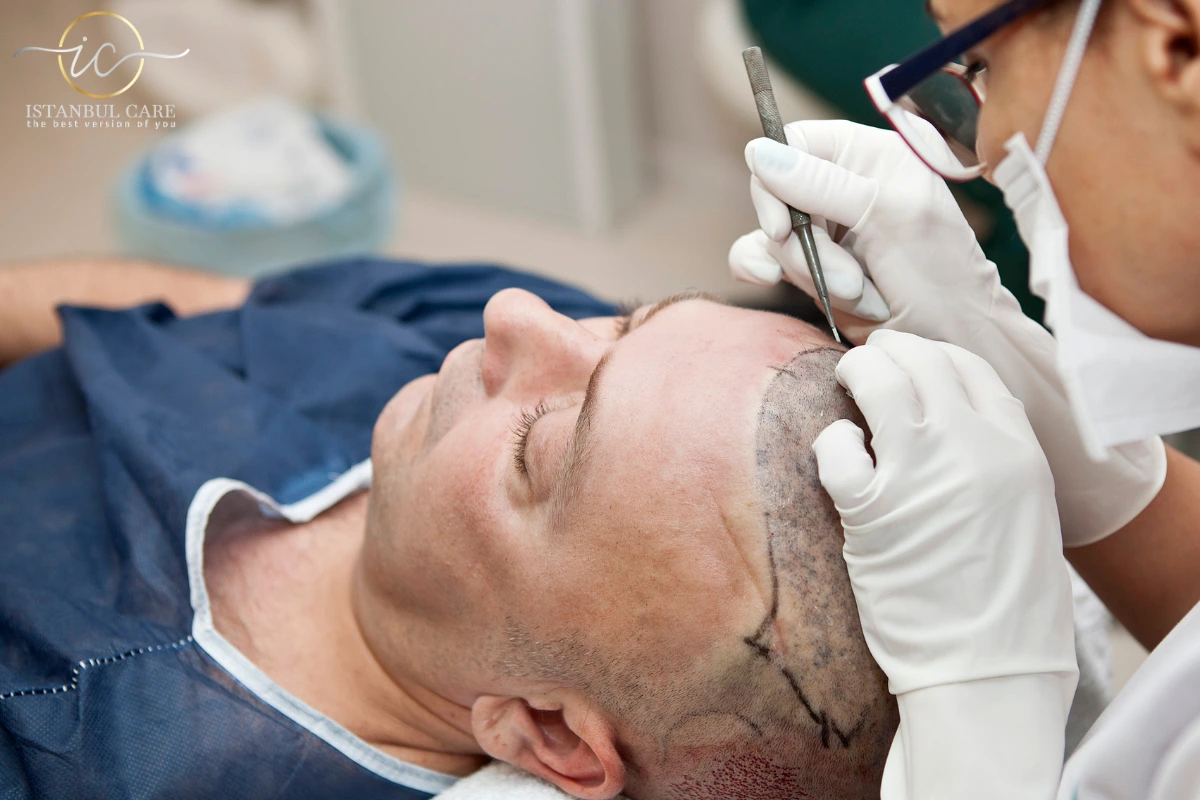
Is a Beard Transplant Risky?
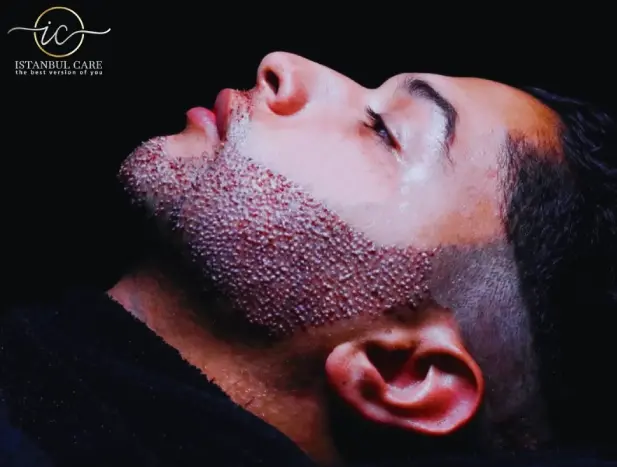
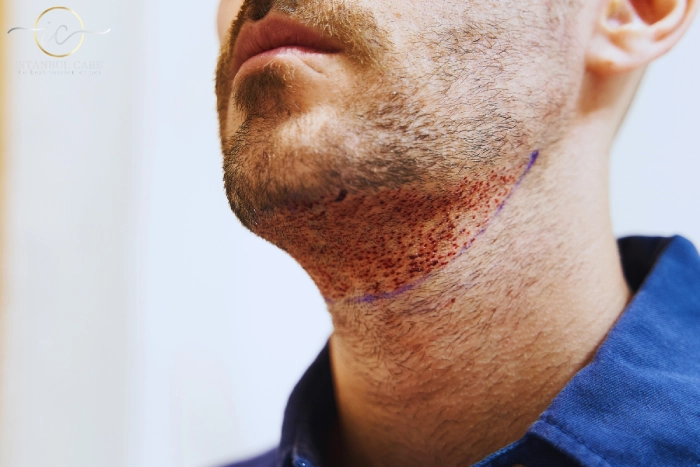
Like any medical procedure, beard transplants come with potential risks. However, when performed by a qualified and experienced surgeon in an accredited medical institution, complications are rare and typically minor.
Possible risks and side effects of beard transplant surgery include:
- Infection: Proper sterilization techniques and post-operative care help minimize the risk of infection.
- Bleeding: While some bleeding is normal, excessive bleeding is rare. Surgeons take precautions to control it.
- Scarring: Minor scarring may occur at donor and recipient sites, but skilled surgeons use techniques to reduce visibility.
- Nerve Damage: Temporary numbness or tingling in the beard area may occur but usually resolves over time.
- Poor Aesthetic Outcome: In rare cases, patients may be unsatisfied with the results, depending on healing and donor hair quality.
- Cysts or Abscesses: Small cysts may form at the transplant site but can be treated with drainage or antibiotics.
Despite these risks, most beard transplant procedures are successful, yielding natural-looking results with minimal complications. Patients can minimize risks by selecting an experienced surgeon, following pre- and post-operative instructions, and maintaining communication with their healthcare provider.
What is The Best Age For a Beard Transplant?
The ideal age for a beard transplant varies based on individual factors such as hormone levels, genetics, and personal preferences. Surgeons typically recommend waiting until the mid-to-late 20s, as facial hair growth patterns are usually established by this age.
Individuals undergoing significant hormonal changes or growth spurts are generally advised to postpone the procedure, as these factors may affect the results. Waiting until the late 20s or early 30s ensures stable facial hair growth and allows for a more accurate assessment of beard patterns.
However, there is no strict age limit for beard transplant surgery. Any healthy individual with realistic expectations can be considered for the procedure. Some younger patients with patchy or uneven facial hair may opt for a transplant earlier if non-surgical solutions have not worked.
Ultimately, the decision to undergo a beard transplant should be made in consultation with a licensed and experienced hair transplant surgeon. A professional assessment will help determine the best timing and approach for achieving the desired results.