What is Gastric Bypass Turkey?

Weight reduction surgery known as gastric bypass Turkey entails creating a little pouch in the stomach and rerouting the small intestine so that it doesn’t go through part of the digestive system. The goal of this technique is to help patients lose a lot of weight by reducing their food intake and their body’s ability to absorb it.

Gastric bypass Turkey surgery involves creating two smaller pouches—one in the upper abdomen and one in the lower—by dividing the stomach. By rearranging the small intestine, the upper stomach pouch is connected directly to the lower half of the intestine, avoiding the duodenum and the remainder of the stomach. This intestinal rerouting leads to weight reduction by reducing calorie and nutrient absorption and the quantity of food that can be ingested.

Laparoscopic gastric bypass Turkey surgery usually involves making tiny incisions and guiding the surgical tools using a camera. In comparison to conventional open surgery, this less intrusive method shortens the recovery period, leaves less scarring, and lowers the chance of complications.

Who Should Not Have Gastric Balloon?

There are certain people who may not be good candidates for the gastric balloon surgery, despite the fact that it can help a lot of people who are overweight. Given the dangers involved with the treatment, patients with serious medical issues such untreated gastrointestinal illnesses, advanced heart or lung diseases, or blood disorders would not be good candidates for the gastric balloon.

Additionally, the gastric balloon may not work for those who have already had gastric bypass or sleeve gastrectomy, two procedures that target the stomach. Patients who have a history of esophageal or gastric bypass surgery, gastrointestinal system abnormalities, or both may not be good candidates for the operation due to the higher risk of complications.

Also, the gastric balloon may not work for those who have untreated mental health issues such major depression, anxiety, or anorexia. A patient’s capacity to follow the gastric balloon-required modifications in food and lifestyle might be compromised by certain diseases.

The gastric balloon treatment has hazards to the mother and the developing baby, hence it is usually recommended that pregnant women or those hoping to get pregnant soon avoid it.

The Positive Changes

Relative to other surgical interventions for obesity, Roux-En-Y Gastric Bypass results in the most stable and, most importantly, long-term weight loss effects. Within 12 to 24 months, weight loss averages 80 percent of excess weight. This usually results in a serious decrease in secondary diseases. Studies show that blood glucose levels in type 2 diabetes mellitus sometimes return to completely normal after surgery. Blood pressure and blood lipid levels drop. Consequently, the risk of heart attack also drops sharply. Above all, however, there is a demonstrable increase in self-esteem and, as a result of all these changes, an improvement in general health.

However, the success of the surgical intervention is strongly dependent on postoperative behavioral patterns of the patient. For example, weight loss with its positive consequences can be stabilized by abstaining from high-calorie drinks and food in porridge form. Otherwise, the same amount of calories as before bypass may enter the body, thereby supporting weight gain.

Can You Lead a Normal Life After Gastric Bypass?

Many people are able to resume their regular, satisfying lifestyles after gastric bypass surgery. When it comes to addressing health concerns associated to obesity and encouraging substantial weight reduction, this therapy is second to none. People may lose weight and keep it off while engaging in many different activities and experiences as long as they follow medically recommended eating plans, exercise regularly, and get frequent checkups. Gastric bypass surgery has many positive effects on mental and emotional health, including a boost to self-esteem and an overall better quality of life, in addition to the obvious physical benefits. After gastric bypass surgery, people may go back to their regular lives—active, healthy, and normal—if they engage with their healthcare providers and make some good modifications to their lifestyle.

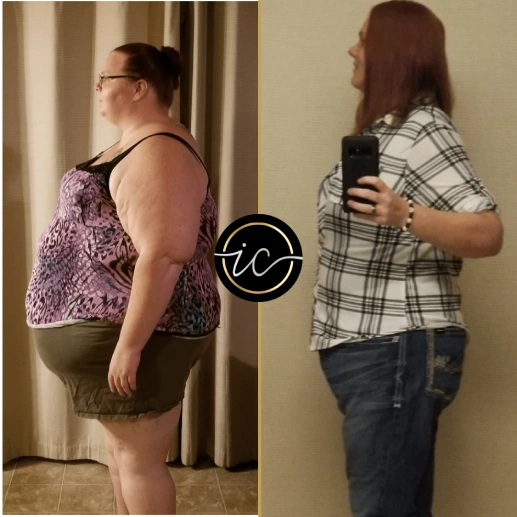
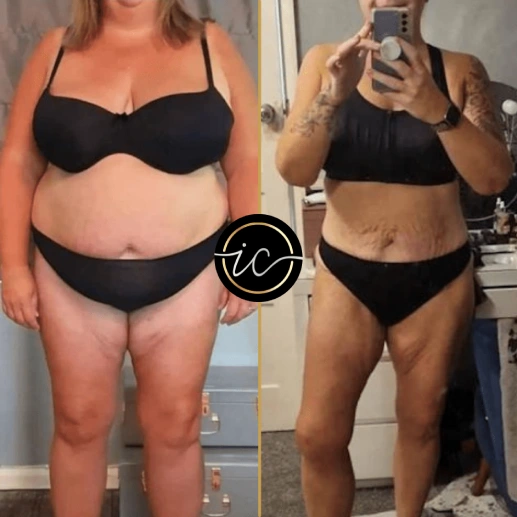
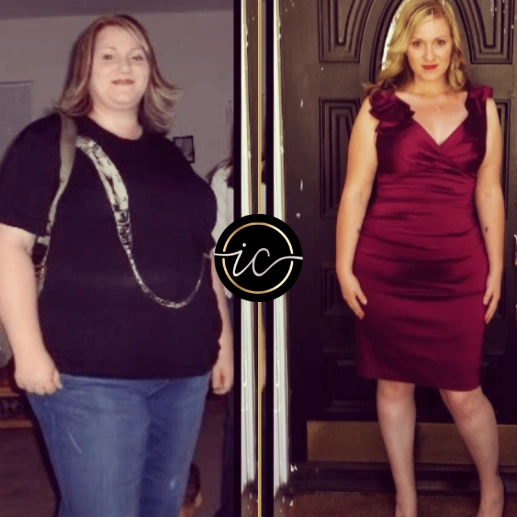
Gastric Bypass Turkey Before & After

Premium Packages

  • Consultation & Hairline planning by Our Plastic Surgeon
  • DHI or Sapphire FUE hair transplant surgery after an online consultation with a consultant
  • 1. Day: The SVF stem cell treatment, which is performed by extracting from the abdomen, is carried out by pur plastic surgeon (stem cell hair treatment using abdominal fat, which has more stem cells boosts hair growth density.)
  • 2. Day: Operation is done by a team of Hair Transplant Specialists under the supervision of our Plastic Surgeon
  • Exsome Hair Therapy to stimulate hair growth and improve scalp health
  • Prp ( One session)
  • Laser hair regrowth treatment (one session.) FDA-approved laser devices for treating pattern hair loss and androgenic alopecia are available exclusively at Este Medical Group.
  • Sedation ( No pain during the numbing process)
  • Blood tests
  • All the required medications
  • 6-month Aftercare supplements
  • 5-star Hotel Accommodation (3 Nights)
  • Check up and first wash on the following day
  • Travel Health Insurance: Travel confidently—protect your hair transplant journey. Stay covered for any illness or injury abroad.
  • Personal translator available at all times
  • Airport and internal transfers
  • 12 months of online post-operation follow-ups.

Density Boost

  • Consultation & Hairline planning by Our Plastic Surgeon
  • DHI or Sapphire FUE hair transplant surgery after an online consultation with a consultant
  • 1. Day: The SVF stem cell treatment, which is performed by extracting from the abdomen, is carried out by pur plastic surgeon (stem cell hair treatment using abdominal fat, which has more stem cells boosts hair growth density.)
  • 2. Day: Operation is done by a team of Hair Transplant Specialists under the supervision of our Plastic Surgeon
  • Exsome Hair Therapy to stimulate hair growth and improve scalp health
  • Prp ( One session)
  • Laser hair regrowth treatment (one session.) FDA-approved laser devices for treating pattern hair loss and androgenic alopecia are available exclusively at Este Medical Group.
  • Sedation ( No pain during the numbing process)
  • Blood tests
  • All the required medications
  • 6-month Aftercare supplements
  • 5-star Hotel Accommodation (3 Nights)
  • Check up and first wash on the following day
  • Travel Health Insurance: Travel confidently—protect your hair transplant journey. Stay covered for any illness or injury abroad.
  • Personal translator available at all times
  • Airport and internal transfers
  • 12 months of online post-operation follow-ups.

Negative Consequences

Postoperative complications may occur in approximately 15-18% of cases. These include simple bleeding from skin incisions, inflammation, or scar fractures, which can occur with all abdominal surgeries. In a condition called dumping syndrome, surgery may bypass a layer of muscle normally located at the stomach outlet that prevents food from passing quickly into the small intestine. Rapid passage of the food pulp into the small intestine may occur, resulting in nausea and bloating. In addition, the inadequately predigested food pulp deprives the body of fluids, which can result in circulatory collapse.

This is especially the case with dairy products and high-carbohydrate foods. In addition, hypoglycemia can occur a few hours after food intake. Since sugar is absorbed very quickly into the body via the intestines, the blood sugar level drops rapidly due to the release of insulin. To prevent this, it is advisable to eat small meals more frequently.

Stomach acid or bile can flow back into the esophagus from the reduced stomach, which can lead to heartburn or inflammation of the esophagus. Good chewing, small meals and avoiding carbonated beverages reduces the risk of these complaints. However, cosmetic problems may also arise. Successful weight loss can result in the formation of skin flaps, especially on the abdomen, arms, thighs and chest. These skin flaps may necessitate cosmetic surgery, which makes sense because fungal infections of the skin often occur between the skin flaps.

And: people with Gastric Bypass should avoid alcohol as far as possible or consume it only in very small quantities, because the smaller stomach means that a higher alcohol level is reached more quickly.

Patients must understand their role

Gastric Bypass surgery is recommended for patients with a BMI greater than 40 or with a BMI between 35 and 40 in the presence of associated comorbidities when conservative attempts at weight loss have already failed. Gastric surgery is not recommended in cases where severe concomitant diseases increase the risk of surgery. Also in adolescents, Gastric Bypass is considered only in exceptional cases, especially if the development is not yet complete. In older patients, the decision is made individually. In any case, it is important that the patient cooperates well and understands the therapy in order to achieve the surgically supported therapeutic goal – weight reduction.

Both forms of Gastric Bypass are performed in Turkey using minimally invasive surgery. The patient is quickly mobilized and scarring is minimal. The patient can leave the hospital after 3 to 6 days. In Gastric Bypass surgery, the amount of food that can be fed is considerably reduced by reducing the size of the stomach. The altered anatomy after the operation, but also the altered flow of the food pulp, lead to a change in various hormones of the gastrointestinal tract that are responsible for satiety and hunger.

During the operation, a part of the stomach is first separated from the stomach directly following the transition of the esophagus into the stomach. This small stomach pouch still allows food to flow. The rest of the stomach remains in the abdominal cavity. The small intestine is then cut about 50 to 150 cm after the duodenum, and the lower portion near the large intestine is connected to the gastric pouch. The small intestine portion coming from the rest of the stomach is sutured into the small intestine leg coming from the stomach about 150 to 50 cm after the stomach-small intestine connection. The digestive enzymes coming from the liver, pancreas and stomach are thus added to the food pulp. The mix of digestive enzymes and food mush leads back to normal digestion of the food mush

Speak with our expert Gastric Bypass specialists

Curious about your Gastric Bypass procedure in Turkey? Fill out the form below to receive a personalized quote from our team.


Speak with our expert Gastric Bypass specialists

We’re ready to answer your questions

Advantages and Disadvantages of Gastric Bypass

Advantages

– Roux-En-Y Gastric Bypass is a limited procedure. It is not very aggressive and is reversible.

– It is the most commonly performed weight loss procedure.

– Gastric Bypass is considered the gold standard surgery for reliable weight loss.

– Long-term results show an average weight loss of 60% to 70%.

– Many health problems such as sleep apnea, gastroesophageal reflux, heartburn, incontinence and respiratory function are resolved.

– Risk of heart attack decreases

– Minimum 60% of hypertension patients no longer need medication.

Disadvantages

– Most bariatric patients already have comorbidities that increase the risk of further complications.

– Cardiopulmonary and wound-related complications lead to most cardiovascular accidents.

– Circa 10% of all patients have postoperative complications due to deficiencies of folic acid, thiamine, calcium, zinc, vitamin B12, vitamin D, vitamin A, also iron. Therefore, this can lead to anemia, encephalopathy, and other conditions.

– Patients with addictive behaviors often cannot adhere to diets and medical instructions, so there is little weight loss and the risk of complications is especially high.

Gastric Balloon Turkey

Is it Safe To Have Gastric Bypass Surgery in Turkey?

When carried out in reputable hospitals by trained bariatric surgeons, gastric bypass Turkey is a viable option for many patients. Many people choose to have weight reduction surgery in Turkey because of the country’s excellent medical facilities, which include both old and new buildings, as well as its highly trained medical staff.

Nevertheless, gastric bypass Turkey surgery has the same risks and possible problems as any other surgical operation. The following dangers may occur, among others:

Potential Side Effects of Anesthesia: Allergic responses, breathing issues, and drug reactions are among the tiny list of possible side effects of general anesthesia. Having surgery at a clinic with proper monitoring and anesthetic practices helps decrease these risks, which are usually modest.

There is a chance of bleeding, infection, blood clots, or leakage at the surgical sites due to the fact that gastric bypass surgery includes alterations to the digestive system. Choosing a skilled bariatric surgeon who is up-to-date on the latest procedures and employs cutting-edge technology may help reduce these risks.

Patients undergoing gastric bypass Turkey surgery run the danger of developing nutritional deficiencies as a result of altered nutrient absorption and decreased meal consumption. It may be necessary to take supplements or make changes to one’s diet in order to avoid problems caused by vitamin, mineral, and protein shortages.

Symptoms including nausea, vomiting, diarrhea, sweating, or weakness may be experienced by those who have gastric bypass surgery. This disease is called as dumping syndrome. Medication and dietary adjustments may alleviate these symptoms.

Long-Term Consequences: Although gastric bypass surgery is effective in reducing excess fat and improving health issues associated with obesity, it is not without potential dangers and problems, such as the development of ulcers, hernias, gallstones, or unhealthy eating habits. Minimizing these risks may be achieved by regularly following up with a healthcare team and by strictly following post-operative procedures.

Patients considering gastric bypass Turkey should do their homework, find a trustworthy doctor, and meet with an experienced bariatric surgeon to talk over the procedure’s benefits, drawbacks, risks, and projected results. Patients may enhance the safety and success of gastric bypass surgery in Turkey by choosing a skilled surgeon and meticulously adhering to pre- and post-operative instructions.


gastric bypass surgery turkey istanbul

Frequently Asked Questions

Is an Afro hair transplant permanent?

Yes, an Afro hair transplant is generally permanent. The transplanted hair follicles are taken from a donor area that is resistant to hair loss and will continue to grow in the recipient area.

What techniques are used for Afro hair transplants in Turkey?

The most common techniques used for Afro hair transplants in Turkey are DHI (Direct Hair Implantation) and FUE (Follicular Unit Extraction). These techniques are tailored to the unique curl pattern of Afro-textured hair to minimize damage and ensure natural results.

How much does an Afro hair transplant cost in Turkey?

The cost of an Afro hair transplant in Turkey typically ranges from €2,000 to €5,000, depending on the intermediary organization, number of grafts, and additional services provided.

What factors can affect the price of an Afro hair transplant in Turkey?

The price can be influenced by factors such as the number of grafts required, the technique used, the expertise of the surgeon, the reputation of the intermediary organization, and any additional services like accommodation and transportation.

What is the recovery time for an Afro hair transplant?

The initial recovery period typically lasts 7 to 10 days, during which the scalp may be sensitive. Full recovery and hair growth results are expected within 12 to 18 months.

Are there any risks or complications associated with Afro hair transplants?

As with any surgical procedure, there are risks such as infection, scarring, or poor hair growth. However, choosing an experienced surgeon and following aftercare instructions can significantly reduce these risks.

How do I choose the best intermediary organization for an Afro hair transplant in Turkey?

When choosing an intermediary organization, consider their experience with Afro-textured hair, reviews from previous patients, accreditation, and the expertise of the medical team. Consultations and personalized treatment plans are also essential factors.

Can women undergo Afro hair transplant procedures?

Yes, women can undergo Afro hair transplant procedures. The process is similar to that for men and can help address issues such as thinning edges, traction alopecia, or hairline restoration.

What should I expect during the consultation process for a black hair transplant?

During the consultation, the medical team will assess your hair loss condition, discuss your expectations, explain the procedure, and create a personalized treatment plan. They may also provide details about aftercare and recovery.