How Is Female Hair Transplant Applied?
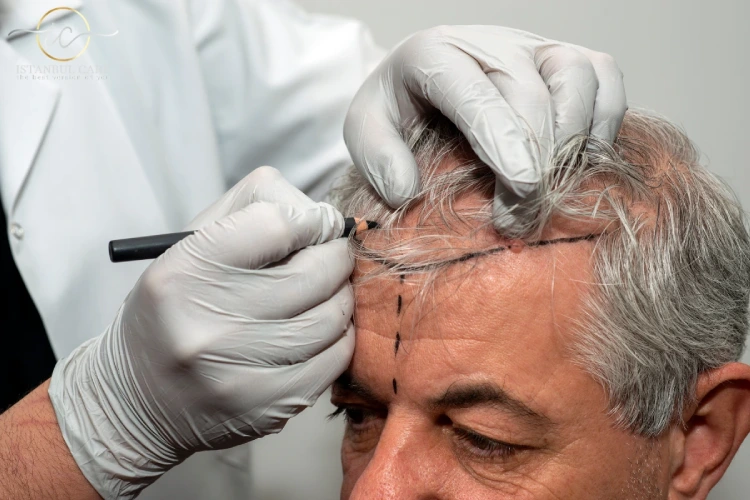
A doctor who specializes in hair restoration examines the patient in detail to ensure that they do not have any kind of curable medical condition that contributes to hair loss. This procedure avoids unnecessary hair transplants. Given the fact that female hair transplant options are the same as male ones, the second step is deciding whether Follicular Unit Extraction (FUE) or Direct Hair Implantation (DHI) is the best option to get the results desired.
Female hair transplant can be quite complicated as female hair loss patterns usually tend to be more scattered than in their male counterparts. Yet, if the patient’s conditions regarding hair density are quite satisfactory, an experienced medical team will provide the desired results with a high success rate.
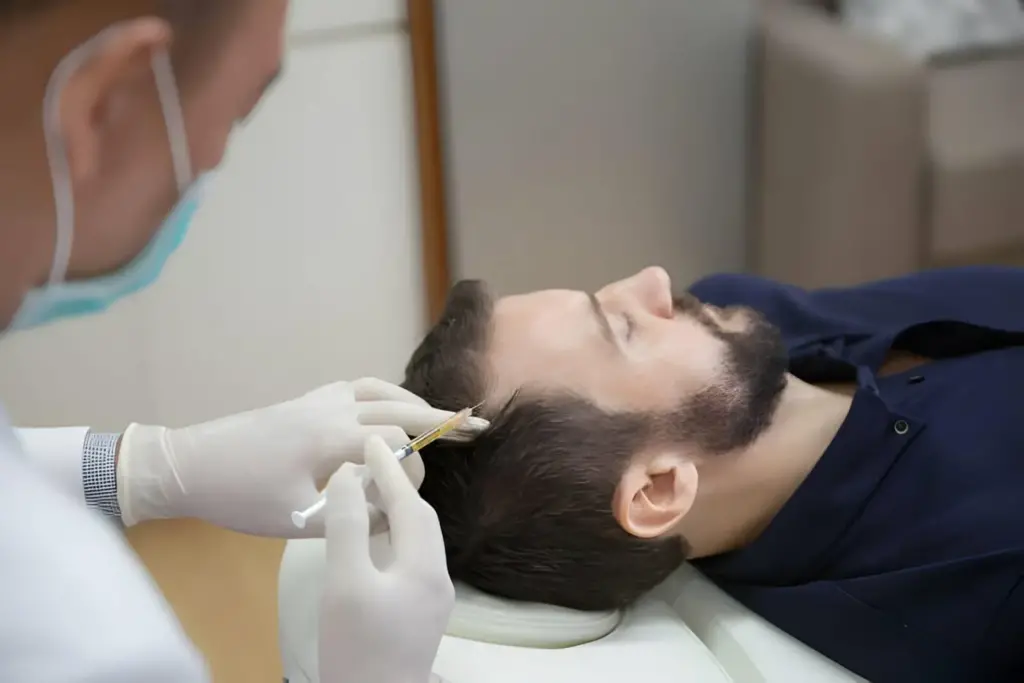
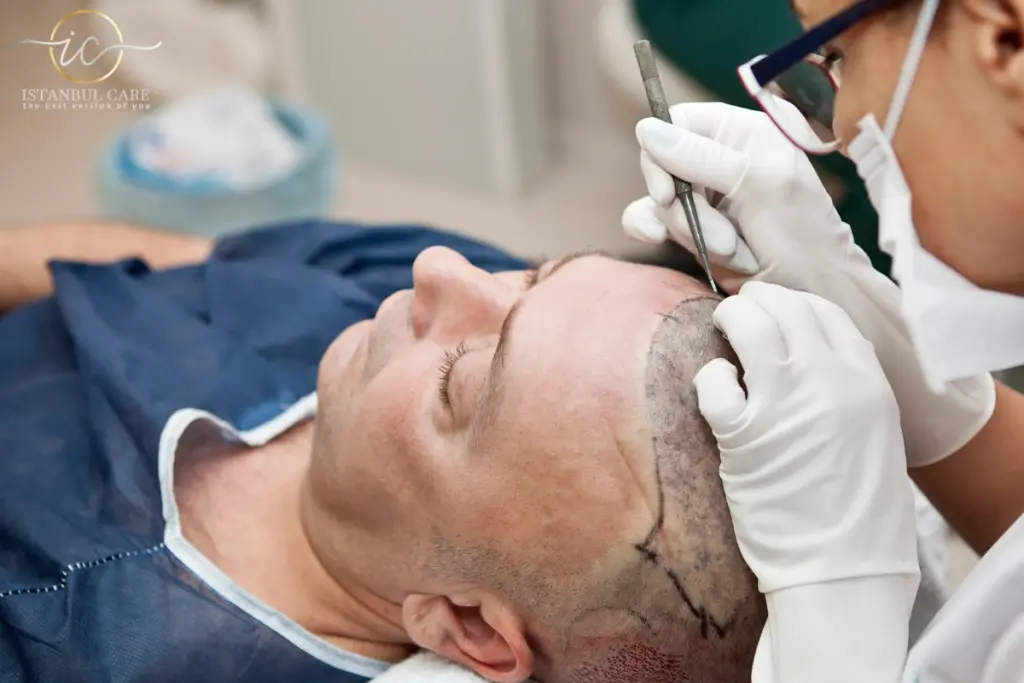
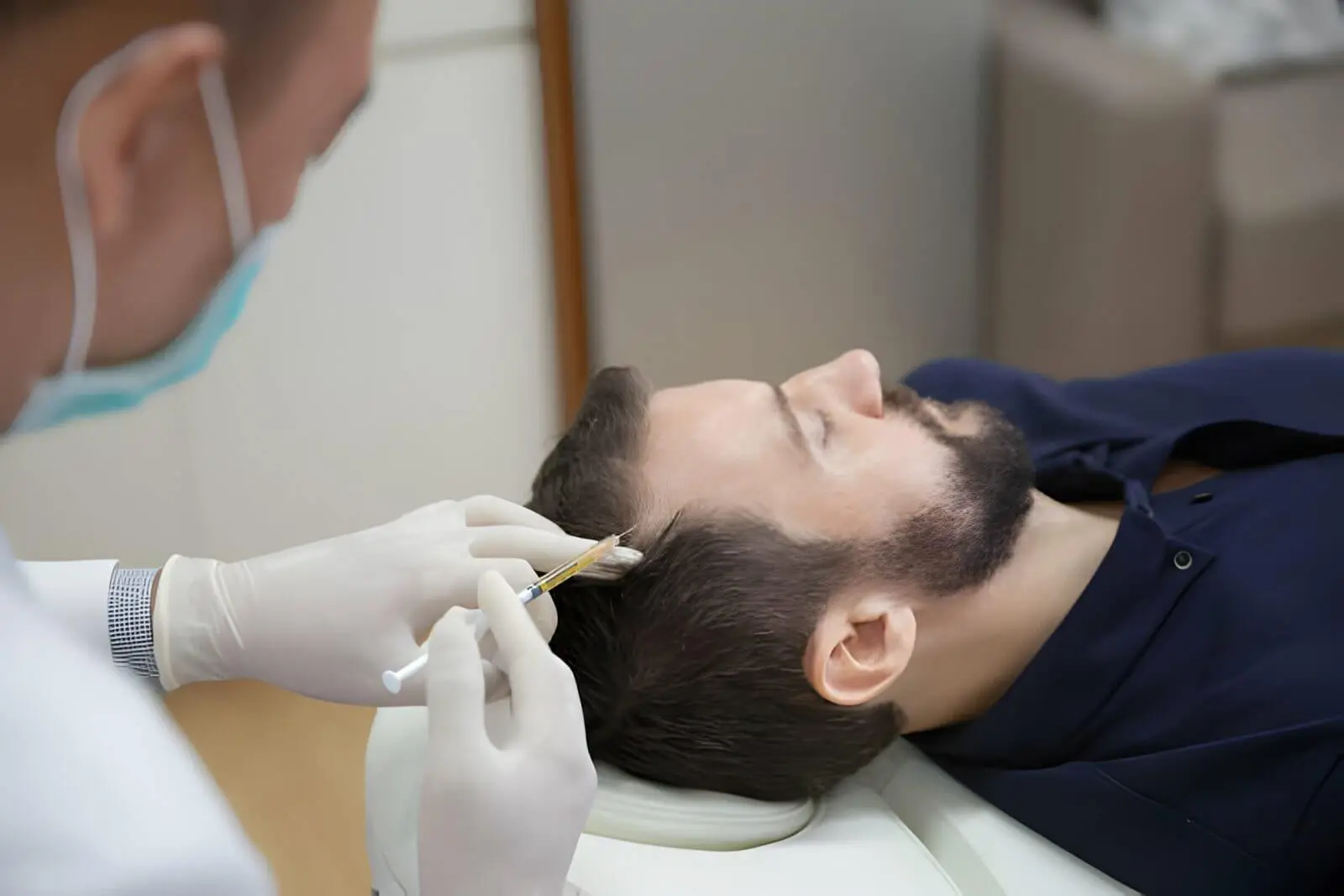
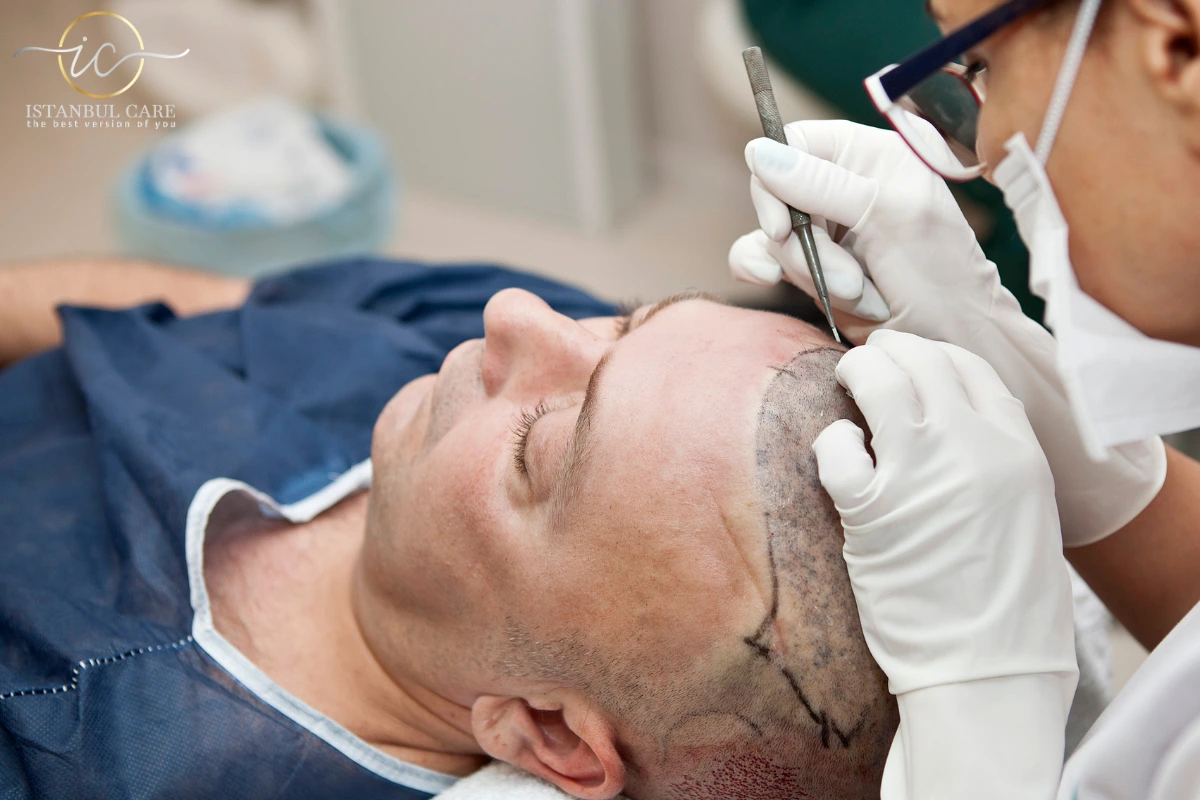
The hair transplant techniques used for female hair restoration, FUE and DHI, are advanced procedures of implantation performed using the same extraction technique. They differ in the types of implant equipment used. The procedures start with the administration of anesthesia. Once the anesthetic effect begins, the extraction phase follows. With the help of a micromotor and a millimetric punch, the hair follicles are extracted from the donor area. Further, very small incisions are made with the help of microneedles at the recipient site. DHI does not require this incision stage. Once the incisions are made, implantation begins. For DHI, the Choi pen is used. It is a special implantation device that can contain 1 to 4 grafts at a time. The extracted grafts are carefully inserted into the small incisions. Eventually, the hair follicle transplant ends.
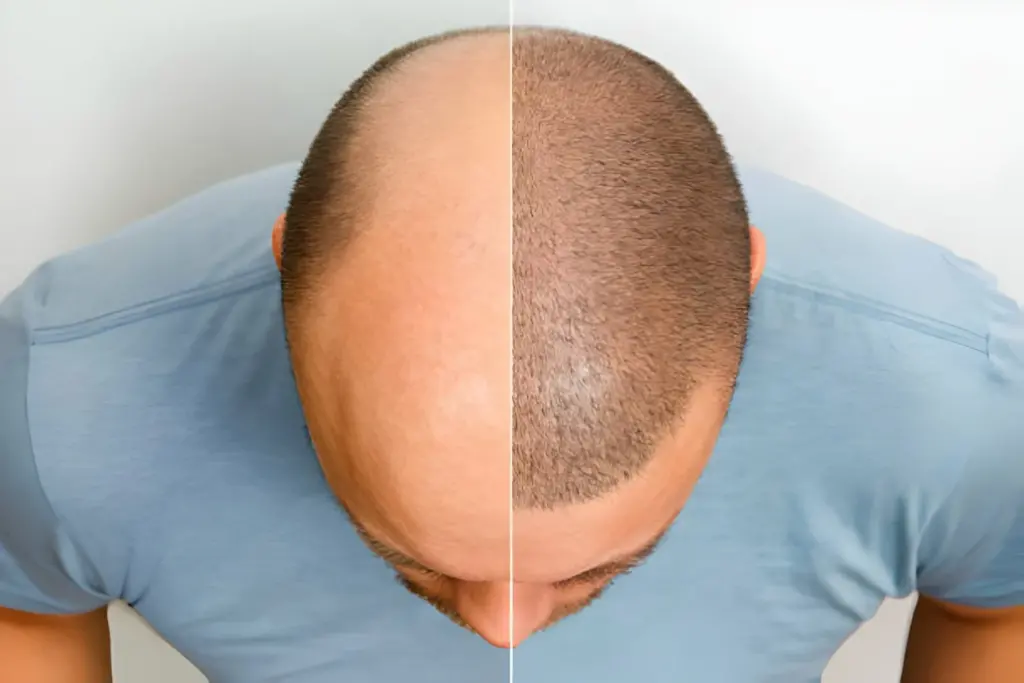
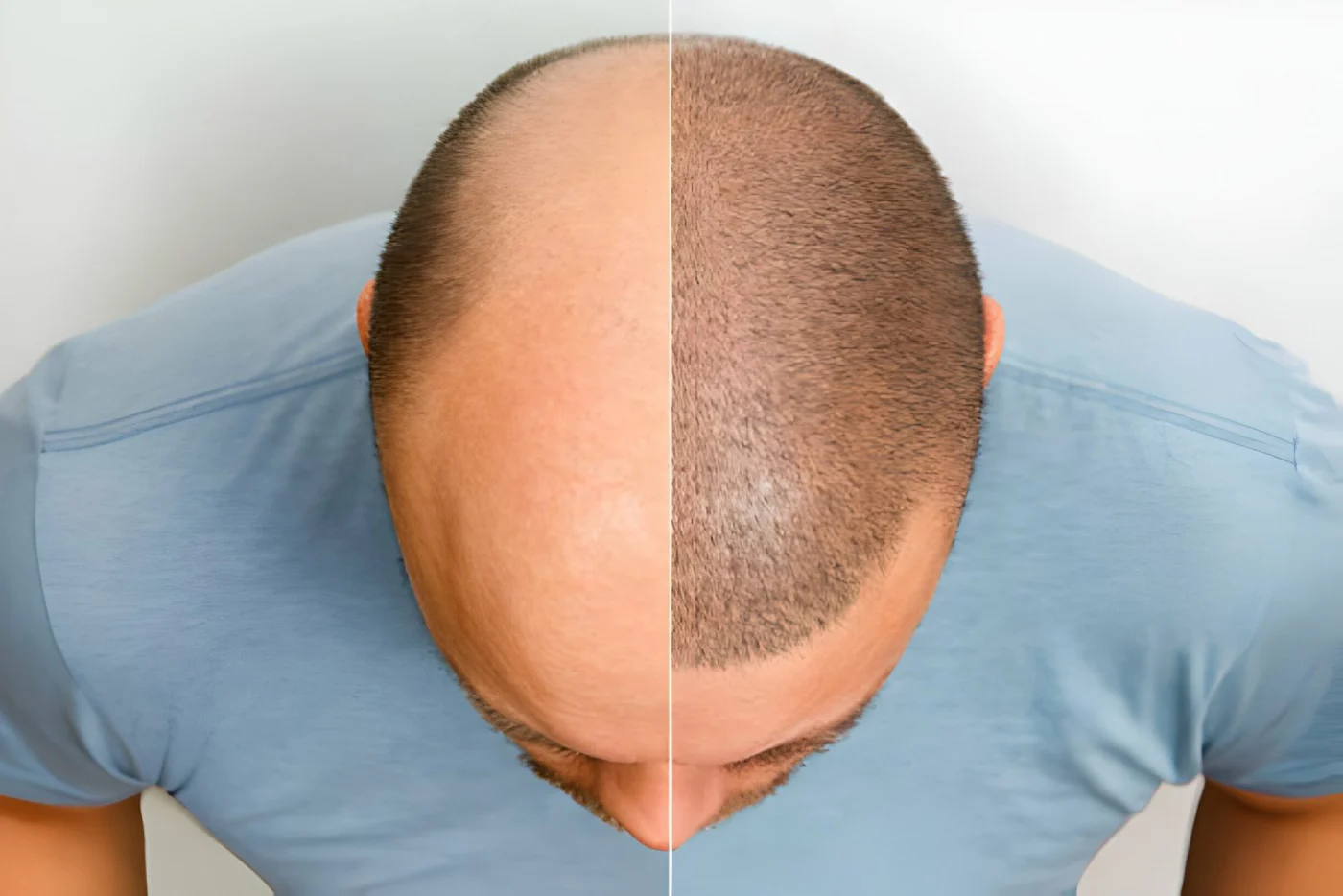
Newly transplanted hair grows in the same way as a patient’s original hair in about 3 to 6 months after surgery. It takes about 12 to 18 months for the hair to come to the desired density, having a voluminous appearance.
Advantages of Female Hair Transplant In Turkey
Female hair loss has a very frustrating effect, so you may be thinking that hair transplant surgeries are very common parts of the process of finding solutions among women with hair loss. Unfortunately, despite the annual increase in hair restoration surgeries, female patients continue to be hesitant about these procedures for various reasons. However, awareness of the advantages and benefits of female hair restoration is a key factor in overcoming hesitation regarding hair transplant surgeries.
Hair transplant surgeries are minimally invasive procedures, especially with techniques such as FUE and DHI. If you are unable to take a few days off, you can return to work the next day after surgery, although a short recovery period is advised.
Both FUE and DHI transplant operations provide the most natural results compared to other less advanced techniques. Some patients worry that the transplanted hair may be easily noticeable, but with a qualified doctor and advanced surgical equipment, the risk of noticeable misalignment is eliminated.
Hair transplants are relatively simple procedures that take less than a day. Patients can return to their daily lives within a day or two. Local anesthesia ensures that the procedure is painless, and any mild after-effects are easily manageable with minimal precautions.
Since hair transplants use the patient’s own hair follicles, the body does not reject them. This ensures that newly transplanted hair will function just like natural hair and does not require special care, such as specific shampoos or treatments, to maintain density.
After FUE and DHI hair transplantation, the transplanted hair will shed initially as expected, and new hair will regrow permanently within 3-6 months.
Hair plays a significant role in body aesthetics. Women experiencing hair loss often struggle with self-image and confidence issues. Undergoing hair restoration surgery can provide a strong boost to mental well-being, improving body image and overall perception.