Advantages and Disadvantages of Gastric Bypass
Advantages
– Roux-En-Y Gastric Bypass is a limited procedure. It is not very aggressive and is reversible.
– It is the most commonly performed weight loss procedure.
– Gastric Bypass is considered the gold standard surgery for reliable weight loss.
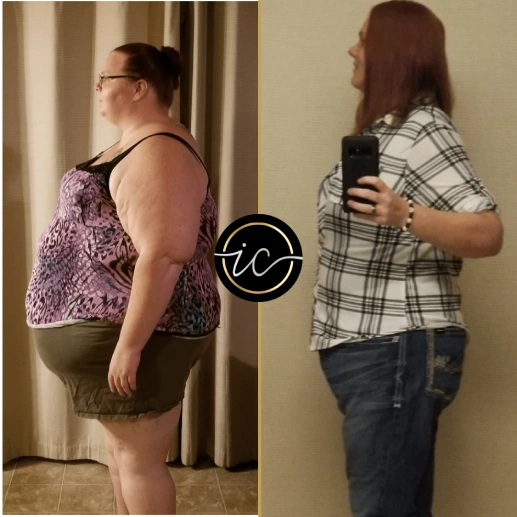
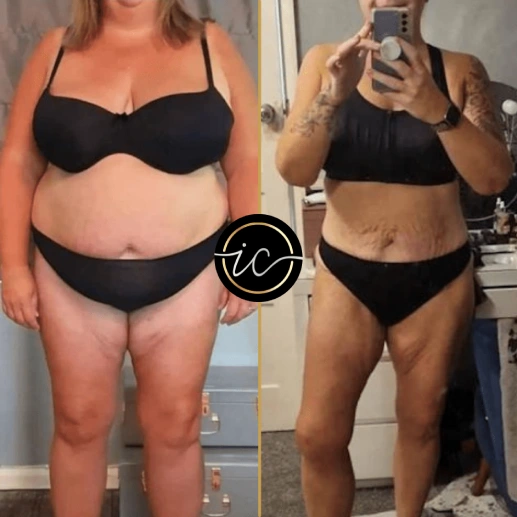
– Long-term results show an average weight loss of 60% to 70%.
– Many health problems such as sleep apnea, gastroesophageal reflux, heartburn, incontinence and respiratory function are resolved.
– Risk of heart attack decreases
– Minimum 60% of hypertension patients no longer need medication.
Disadvantages
– Most bariatric patients already have comorbidities that increase the risk of further complications.
– Cardiopulmonary and wound-related complications lead to most cardiovascular accidents.
– Circa 10% of all patients have postoperative complications due to deficiencies of folic acid, thiamine, calcium, zinc, vitamin B12, vitamin D, vitamin A, also iron. Therefore, this can lead to anemia, encephalopathy, and other conditions.
– Patients with addictive behaviors often cannot adhere to diets and medical instructions, so there is little weight loss and the risk of complications is especially high.

Is it Safe To Have Gastric Bypass Surgery in Turkey?
When carried out in reputable hospitals by trained bariatric surgeons, gastric bypass Turkey is a viable option for many patients. Many people choose to have weight reduction surgery in Turkey because of the country’s excellent medical facilities, which include both old and new buildings, as well as its highly trained medical staff.
Nevertheless, gastric bypass Turkey surgery has the same risks and possible problems as any other surgical operation. The following dangers may occur, among others:
Potential Side Effects of Anesthesia: Allergic responses, breathing issues, and drug reactions are among the tiny list of possible side effects of general anesthesia. Having surgery at a clinic with proper monitoring and anesthetic practices helps decrease these risks, which are usually modest.
There is a chance of bleeding, infection, blood clots, or leakage at the surgical sites due to the fact that gastric bypass surgery includes alterations to the digestive system. Choosing a skilled bariatric surgeon who is up-to-date on the latest procedures and employs cutting-edge technology may help reduce these risks.
Patients undergoing gastric bypass Turkey surgery run the danger of developing nutritional deficiencies as a result of altered nutrient absorption and decreased meal consumption. It may be necessary to take supplements or make changes to one’s diet in order to avoid problems caused by vitamin, mineral, and protein shortages.
Symptoms including nausea, vomiting, diarrhea, sweating, or weakness may be experienced by those who have gastric bypass surgery. This disease is called as dumping syndrome. Medication and dietary adjustments may alleviate these symptoms.
Long-Term Consequences: Although gastric bypass surgery is effective in reducing excess fat and improving health issues associated with obesity, it is not without potential dangers and problems, such as the development of ulcers, hernias, gallstones, or unhealthy eating habits. Minimizing these risks may be achieved by regularly following up with a healthcare team and by strictly following post-operative procedures.
Patients considering gastric bypass Turkey should do their homework, find a trustworthy doctor, and meet with an experienced bariatric surgeon to talk over the procedure’s benefits, drawbacks, risks, and projected results. Patients may enhance the safety and success of gastric bypass surgery in Turkey by choosing a skilled surgeon and meticulously adhering to pre- and post-operative instructions.